How to Screen Record on Chromebook With Audio
How to start, stop and record audio with the Chromebook's built-in screen recorder — and how to pause and rewind a recording with Vento.
Last updated September 15, 2026
Quick answer
- Start: press Shift + Ctrl + Show windows
 , then select Screen record at the bottom of the screen.
 - Stop: press Search + Shift + X, or select Stop recording at the bottom right of the shelf.
- Audio: in the recording toolbar, select Settings and choose Device audio, Microphone, or Device audio and microphone.
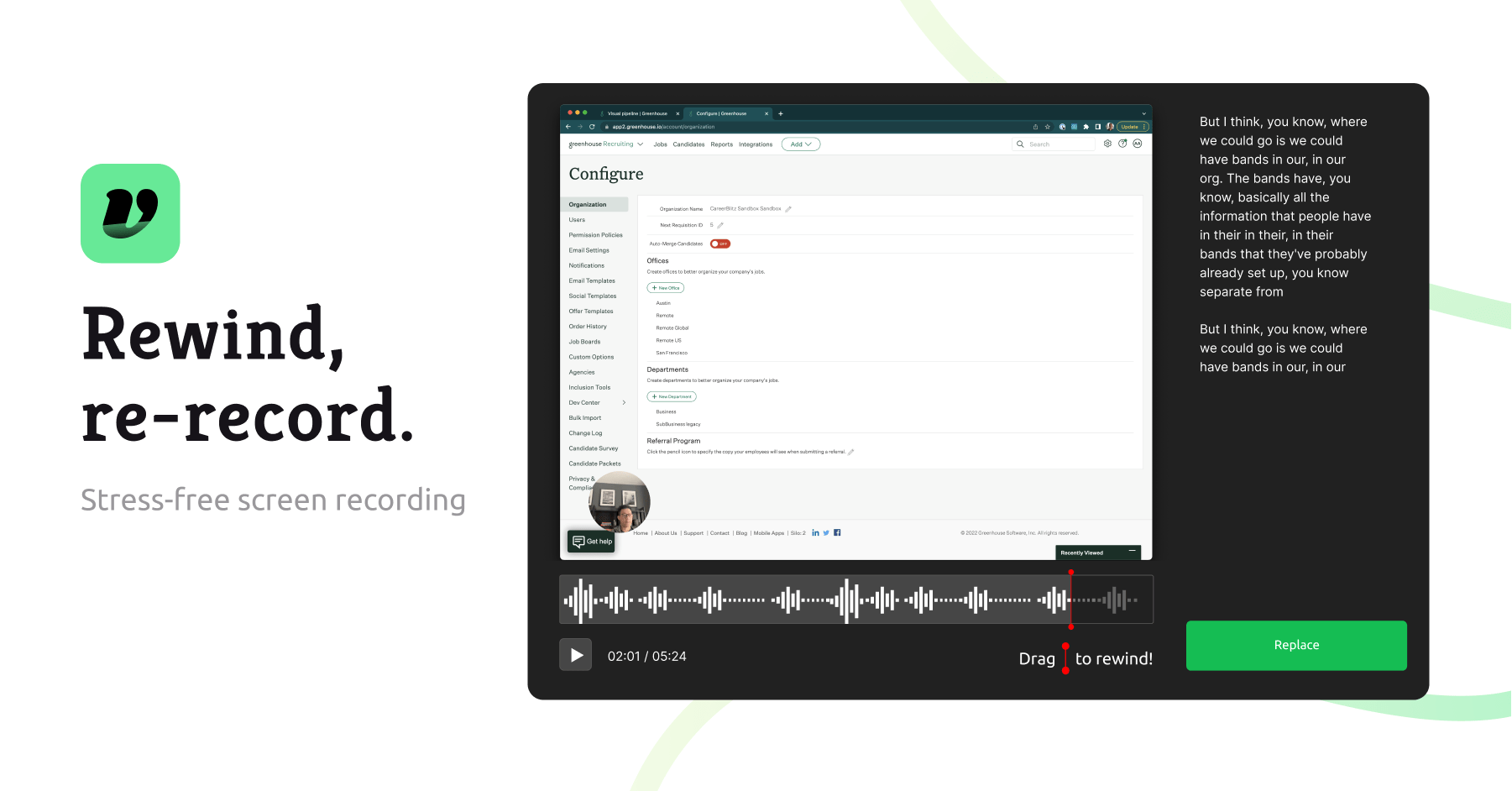
- Pause: the built-in recorder has no pause. To pause, rewind and record over a mistake, use Vento.
How to stop a screen recording on Chromebook
There are two ways to stop the built-in recorder:
- Keyboard: press Search + Shift + X. The recording stops immediately.
- Mouse or touchpad: select Stop recording, the red button at the bottom right of the shelf, next to the clock.

If your shelf is set to auto-hide, move the pointer to the bottom of the screen to bring it back, or use the keyboard shortcut instead.
The recording is saved to your Downloads folder as a .webm video, or as a .gif if you chose Record GIF for a partial-screen recording.
Stopping a recording in Vento: select the pause button (two bars) in the floating toolbar, then select Save Video.
How to screen record on Chromebook with audio
The built-in recorder can capture sound from your Chromebook, your voice, or both:
- Press Shift + Ctrl + Show windows and select Screen record.
- At the bottom, select Settings.
- Under audio, choose one:
- Device audio — sound playing on your Chromebook, such as a video or a call.
- Microphone — your voice.
- Device audio and microphone — both, for narrating over something that is playing.
GIF recordings don't capture audio. Choose Record video if you need sound.
Older versions of ChromeOS offered only a microphone option. If Device audio is missing, update ChromeOS from Settings → About ChromeOS.
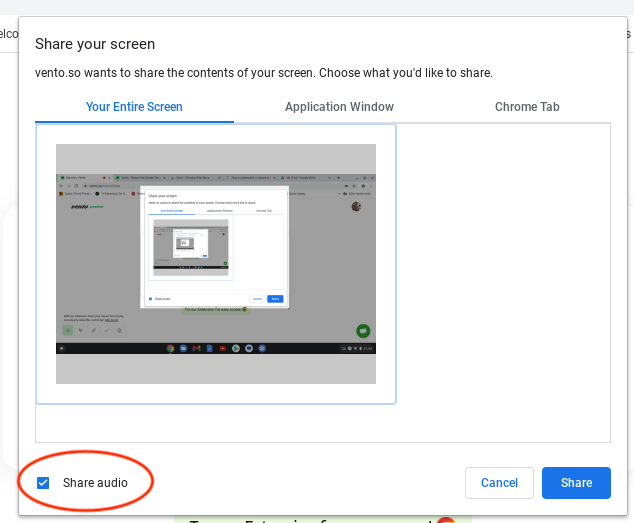
Recording audio with Vento: check your microphone is selected in the dropdown before you start. When Chrome asks what to share, pick Entire Screen and tick the audio checkbox at the bottom of the dialog. It is labelled Share audio or Also share system audio, depending on your version of Chrome. If you share a single Chrome tab instead, the checkbox shares that tab's audio. Selection mode, which records a dragged area, captures your microphone but not your Chromebook's sound.
Can you pause a screen recording on Chromebook?
Not with the built-in recorder. Its only controls are start and stop, and stopping ends the file — Google's own help page for screen recording lists no pause. (Google's separate Recorder app does have a Pause button, but it records audio, not your screen.)
If you fumble a line three minutes in, the built-in recorder leaves you two options: keep the mistake, or start over.
Vento was built for exactly that moment:
- Select the pause button (two bars) in the floating toolbar.
- Drag the cursor below the video back to just before the mistake.
- Select Replace from to record over everything after that point — or Resume Recording to carry on from the end.
Method 1: The built-in ChromeOS screen recorder
Every Chromebook has a screen recorder built in. There is nothing to install.
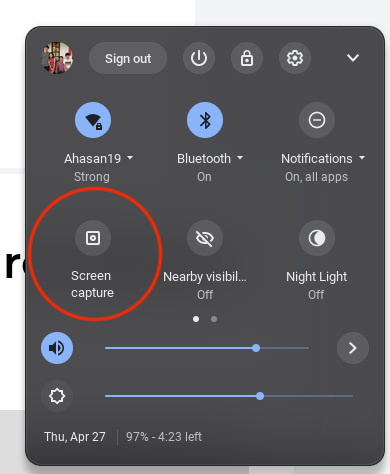
Step 1: Open Screen capture
Press Shift + Ctrl + Show windows . Or select the clock at the bottom right to open Quick Settings, then select Screen capture.
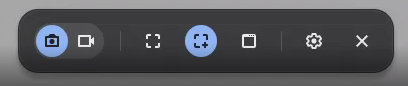
Step 2: Choose Screen record and what to capture
At the bottom, select Screen record (the video camera icon on the left of the toolbar), then choose what to record:
- Record the full screen
- Record a partial screen
- Record a window
Step 3: Set audio and camera
Select Settings in the toolbar:
- Audio: Device audio, Microphone, or Device audio and microphone — see recording with audio.
- Front Camera: turn it on to include your webcam.
- Show clicks and keys: displays key combos, clicks and touch gestures in the recording, which is useful for tutorials.
- Select folder: change where recordings are saved (Downloads by default).
Step 4: Start recording
- Full screen: click anywhere on the screen.
- Partial screen: drag to select an area. From the dropdown, choose Record video (
.webm) or Record GIF (.gif). - Window: select the window you want to record.
Step 5: Stop and find your recording
Press Search + Shift + X, or select Stop recording at the bottom right. Your recording is in the Downloads folder, or whichever folder you chose in Settings.
Method 2: Vento — pause, rewind and share a link
The built-in recorder saves a file to your Chromebook. Vento runs in Chrome with nothing to install, lets you pause and rewind mid-recording, and turns every recording into a link you can share.
Step 1: Open Vento and select Start Recording
Go to vento.so in Chrome and select Start Recording.
You can try it without an account — Vento keeps an anonymous recording for 60 minutes. Sign up for free to keep your recordings. Free recordings can be up to 5 minutes long; paid plans allow up to 60.
Step 2: Choose what to record
Pick a mode — Screen Only, or Camera + Screen to include your webcam — and check the microphone dropdown shows the mic you want to record your voice with.
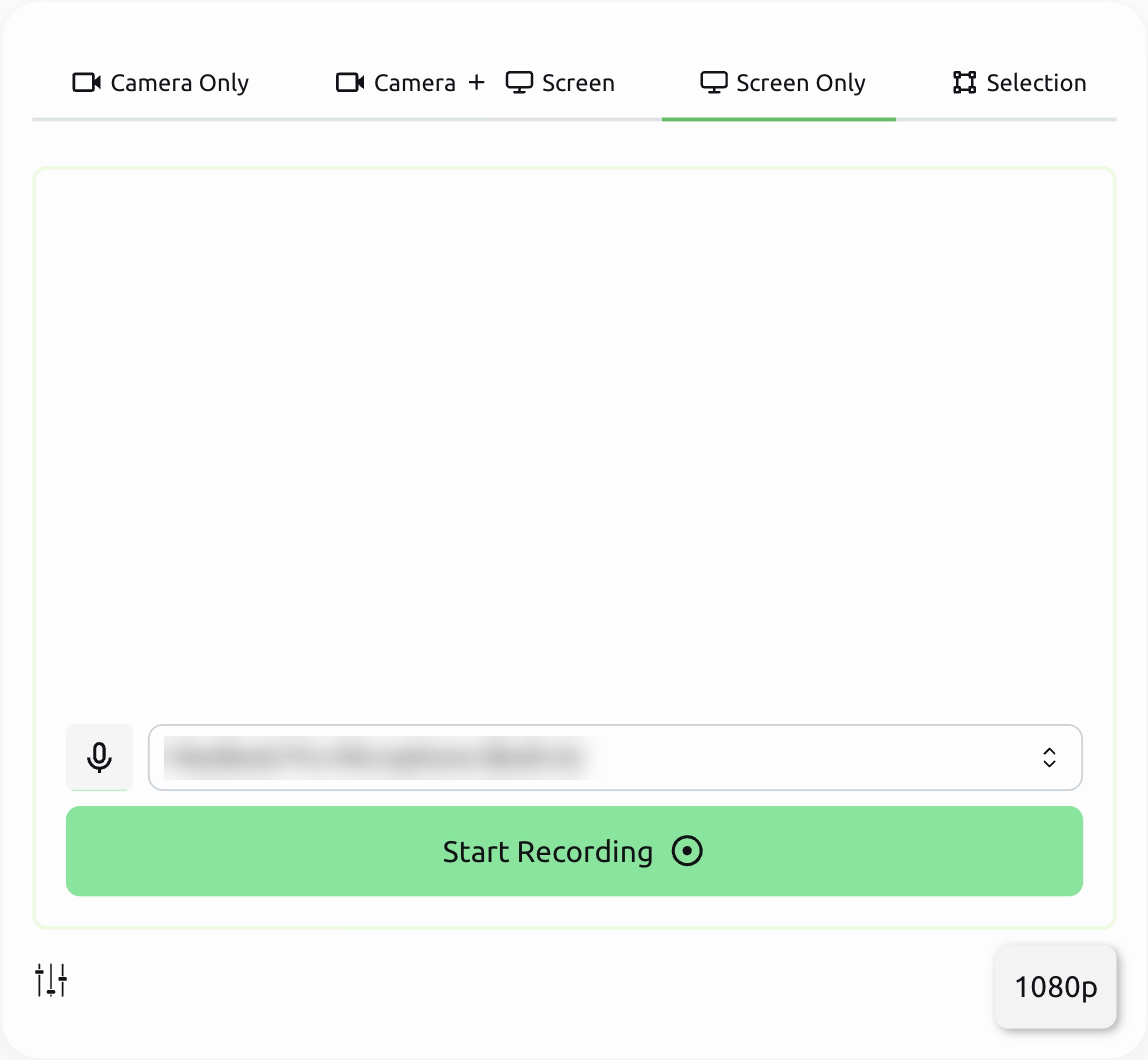
Step 3: Start and choose what to share
Select Start Recording. Chrome asks what to share: choose Entire Screen and tick the audio checkbox to capture your Chromebook's sound, then select Share.
Recording with your camera? Choose Entire Screen so your webcam appears in the recording.
Step 4: Pause and rewind to fix mistakes
Select the pause button whenever you need a moment. To fix a mistake, drag the red cursor below the video back to just before it, then select Replace from to record over it. No starting from scratch.
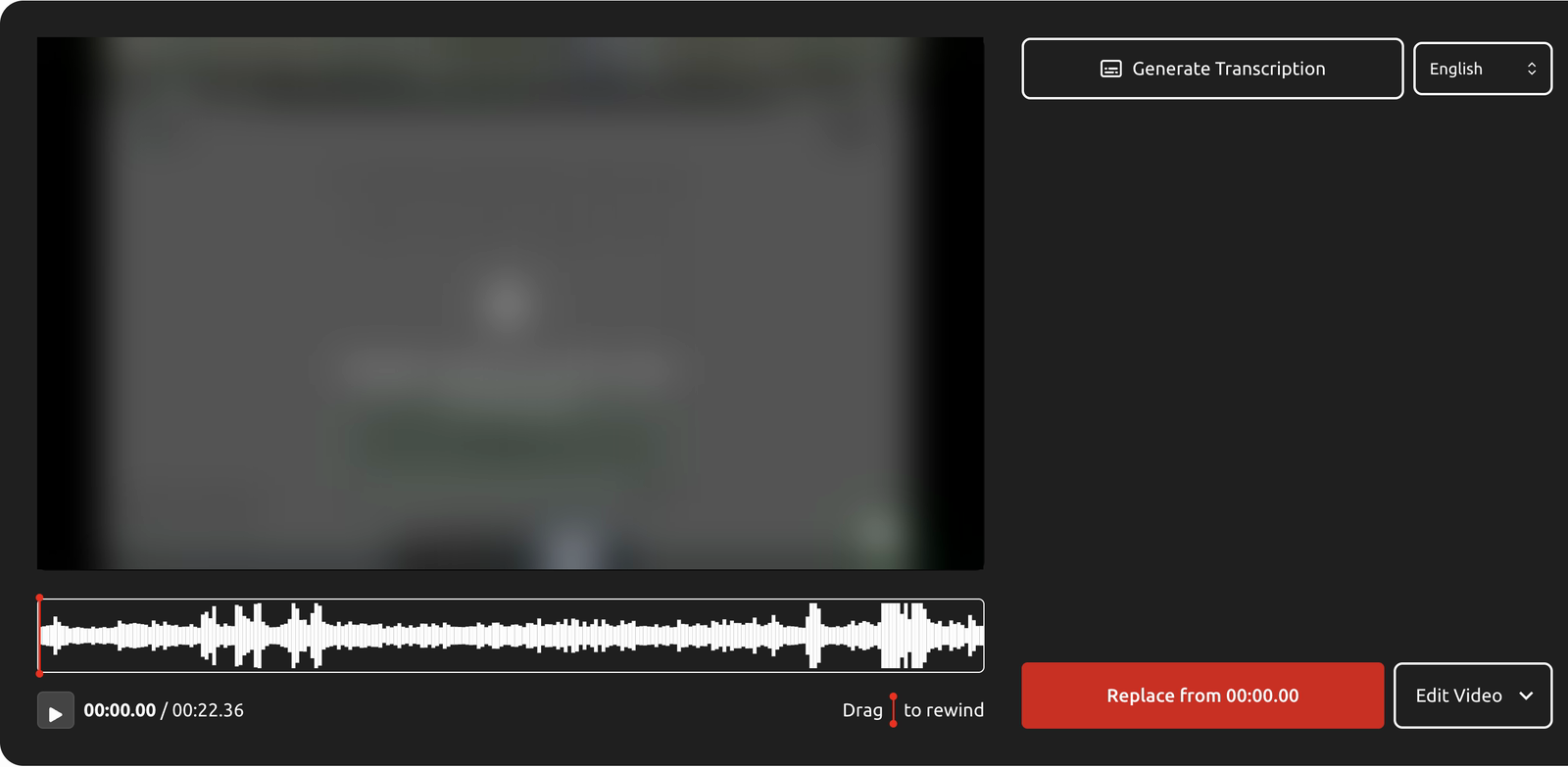
Step 5: Save and share
When you're finished, pause and select Save Video. Vento uploads the recording and opens it on its own page. Select Copy Link to share it.

From there you can also generate a transcript, add chapter headings, password-protect the recording, or embed it.